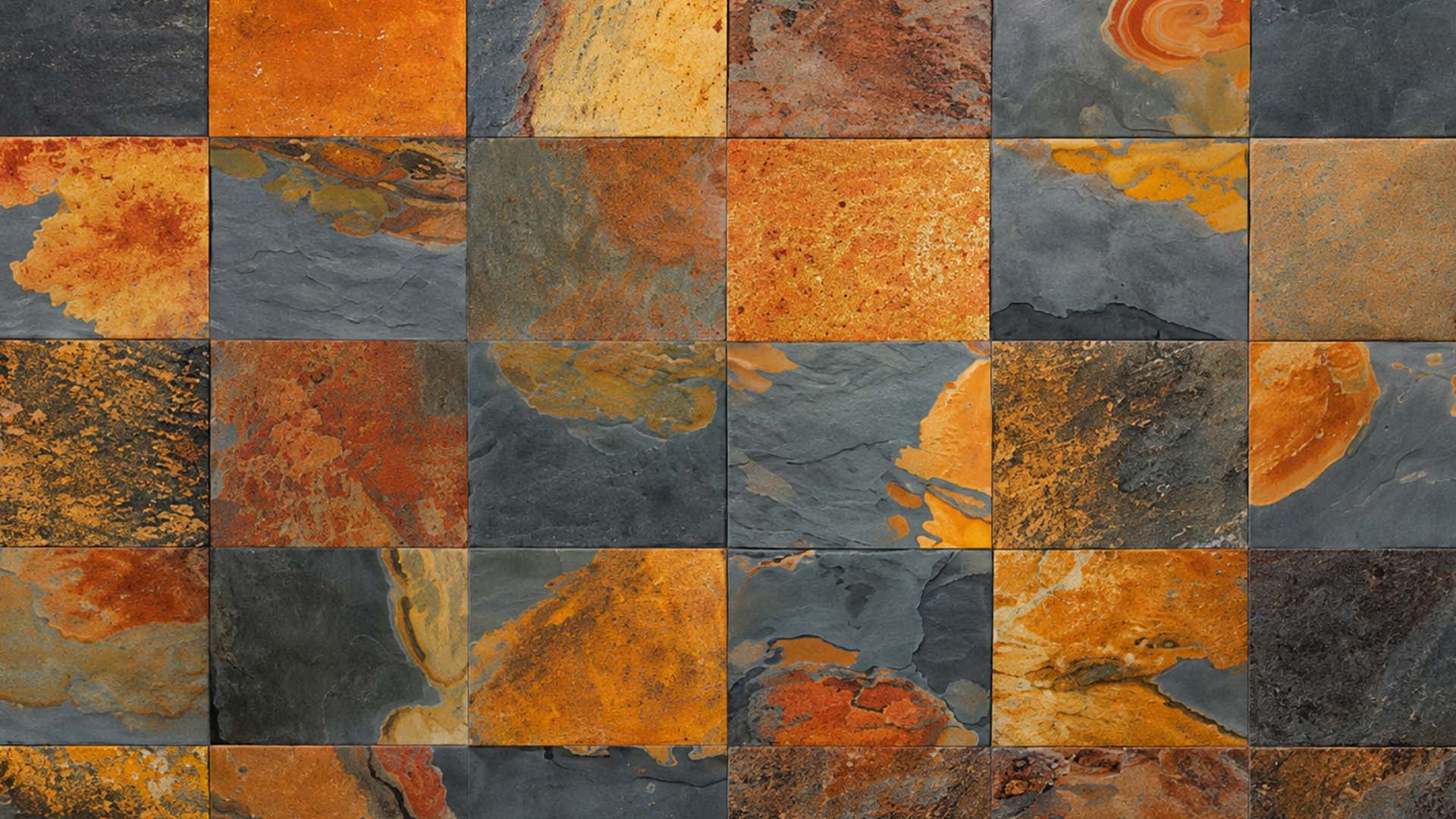
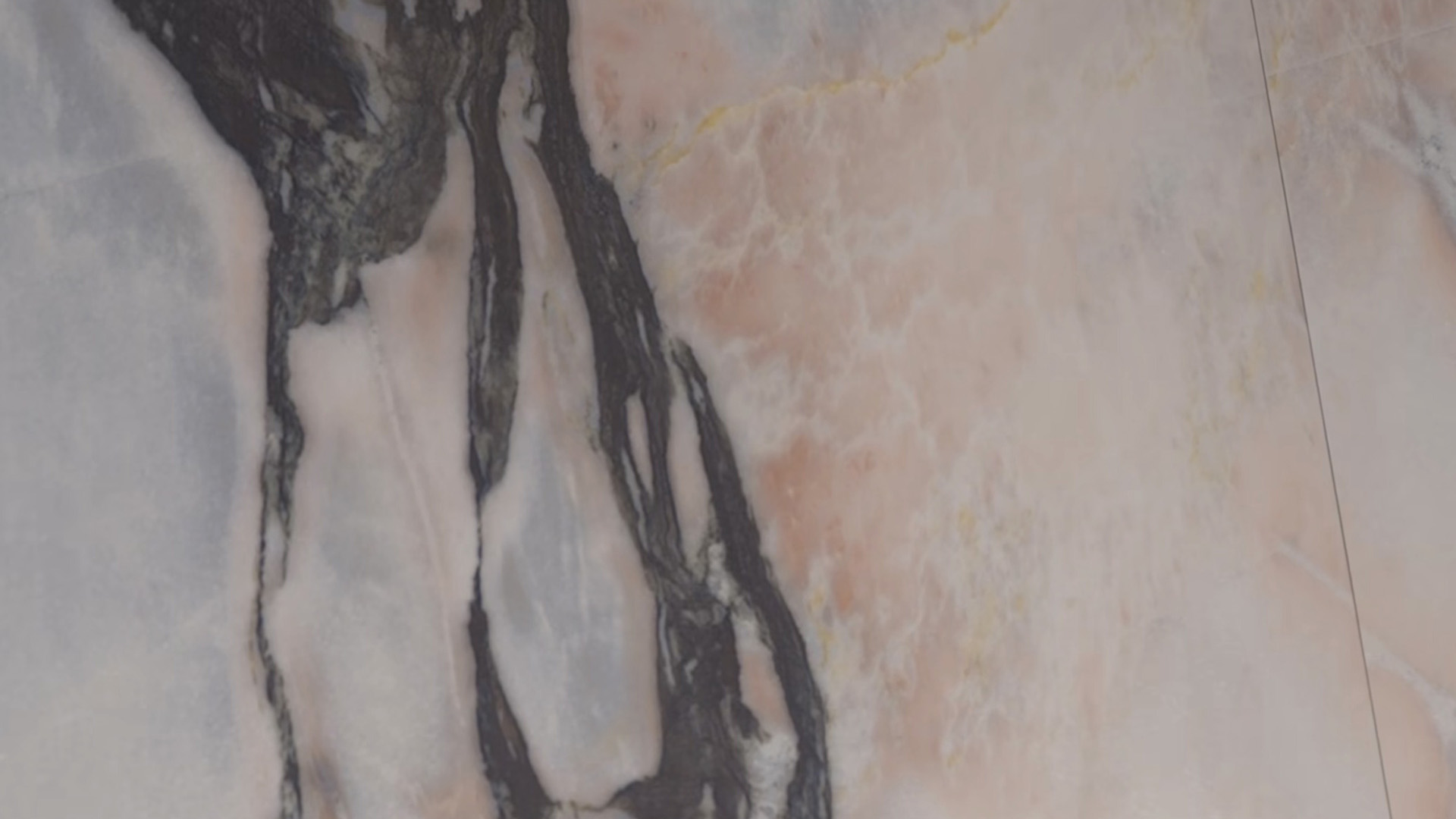
In digital ceramic decoration, colour is much more than a simple aesthetic element. Colour intensity, depth, consistency and accuracy play a decisive role in the perceived quality of a ceramic surface.
Today, the market demands increasingly sophisticated surfaces capable of reproducing natural materials, textured effects and complex graphic details with a high degree of realism. In this context, optimising colour performance means enhancing the aesthetic concept while ensuring reliable and repeatable results on an industrial scale.
Understanding what truly determines the colour of a ceramic surface means looking beyond digital graphics and analysing the interaction between materials, technologies and the production process.
INDICE
- Why colour performance has become a strategic factor
- What really determines the colour of a ceramic surface
- The role of digital inks in colour development
- How glazes, grits and decorative effects influence colour perception
- Production stability and control of the final result
- Colour performance and sustainability: an increasingly integrated challenge
- From applied research to the final result
- FAQ
Why colour performance has become a strategic factor

In recent years, digital decoration has dramatically expanded the creative possibilities of ceramic surfaces. Marble, stone, concrete and wood effects now require extremely accurate colour reproduction to achieve a convincing and coherent aesthetic result.
At the same time, developments in architecture and interior design have raised expectations for ceramic surfaces. Achieving the correct colour is no longer enough; it is also necessary to ensure depth, subtle colour variations, natural appearance and visual consistency across different production batches.
Colour performance has therefore become a strategic factor in enhancing the value of the finished product and differentiating it in a market that is increasingly driven by aesthetic quality.
What really determines the colour of a ceramic surface
When observing a ceramic surface, the final colour is often attributed solely to the digital graphic design. In reality, colour is the result of the interaction of numerous variables acting throughout the entire production process.
The main factors influencing colour performance include:
- glaze type;
- substrate characteristics;
- applied decorative materials and grits;
- firing parameters;
- digital printing technologies;
- interaction between light and the surface.
Each of these variables contributes to the behaviour of colour and to its final visual perception.
Understanding the interaction between these elements requires expertise ranging from material formulation to production process management. It is precisely this complexity that makes colour performance one of the most critical aspects in the development of ceramic surfaces.
The role of digital inks in colour development
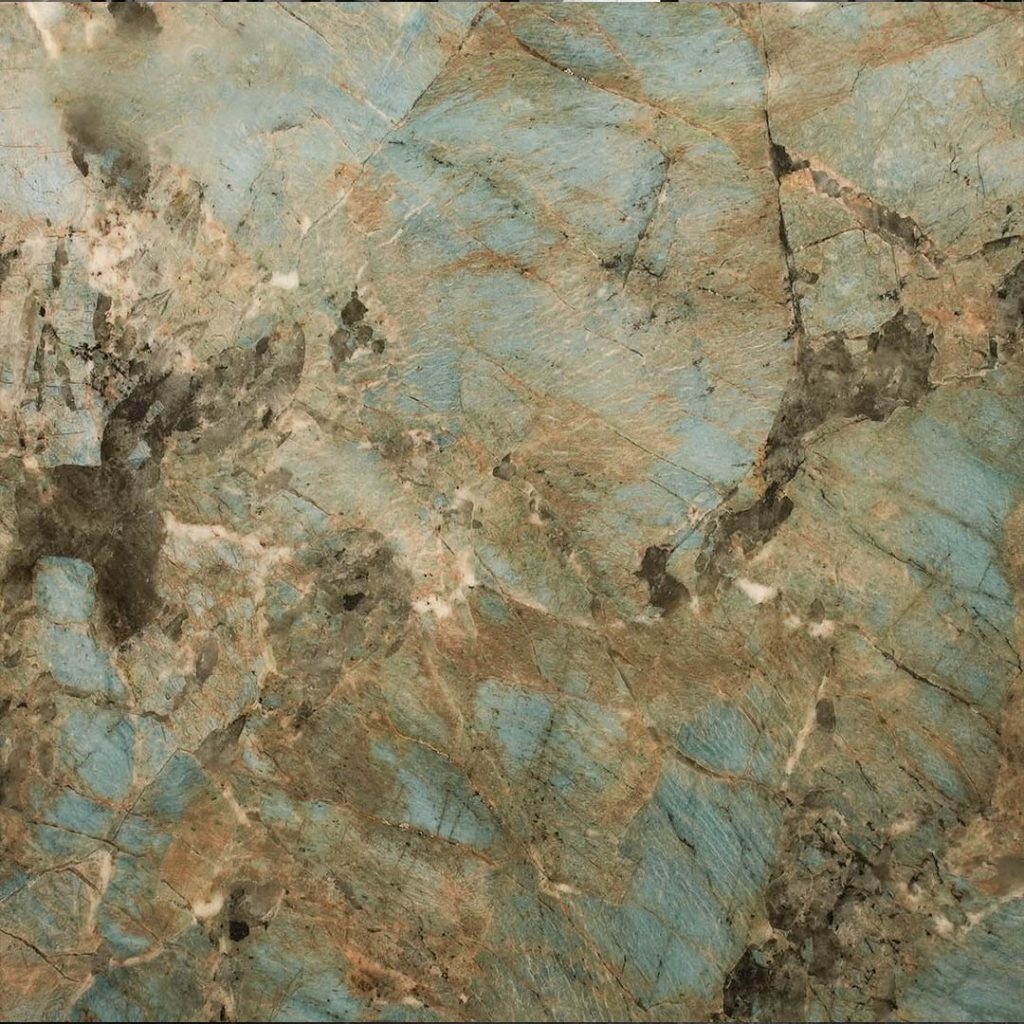
Digital inks are one of the most important tools for achieving high colour quality in ceramic decoration.
Their function goes beyond graphic reproduction, contributing to key aspects such as:
- colour intensity;
- opacity;
- detail definition;
- print stability;
- consistency across different production batches.
The evolution of inkjet technologies has made it possible to expand the available colour gamut and improve colour reproduction accuracy, creating new opportunities for the development of ceramic surfaces with high aesthetic value.
Research in this field also continues to focus on optimising application performance, improving production stability and ensuring compatibility with the latest requirements of the ceramic industry.stabilità produttiva e sulla compatibilità con le più recenti esigenze del mercato ceramico.
How glazes, grits and decorative effects influence colour perception
Colour perception does not depend solely on the pigment deposited on the surface.
Glazes, grits and decorative effects also play a significant role in determining the final result. The same graphic design can appear differently depending on light reflection, the presence of surface textures or the interaction with decorative materials applied during subsequent production stages.
Matt surfaces, for example, produce a different colour perception from glossier finishes. Likewise, grits and textured effects can enhance the visual depth of the decoration and highlight specific graphic details.
Light also plays a fundamental role in this context. The way a surface reflects, diffuses or absorbs light can significantly influence the perception of colour tones, making colours appear more intense, brighter or more natural.
For this reason, colour design is increasingly regarded as the result of an integrated system involving materials, technologies and surface behaviour.
Production stability and control of the final result
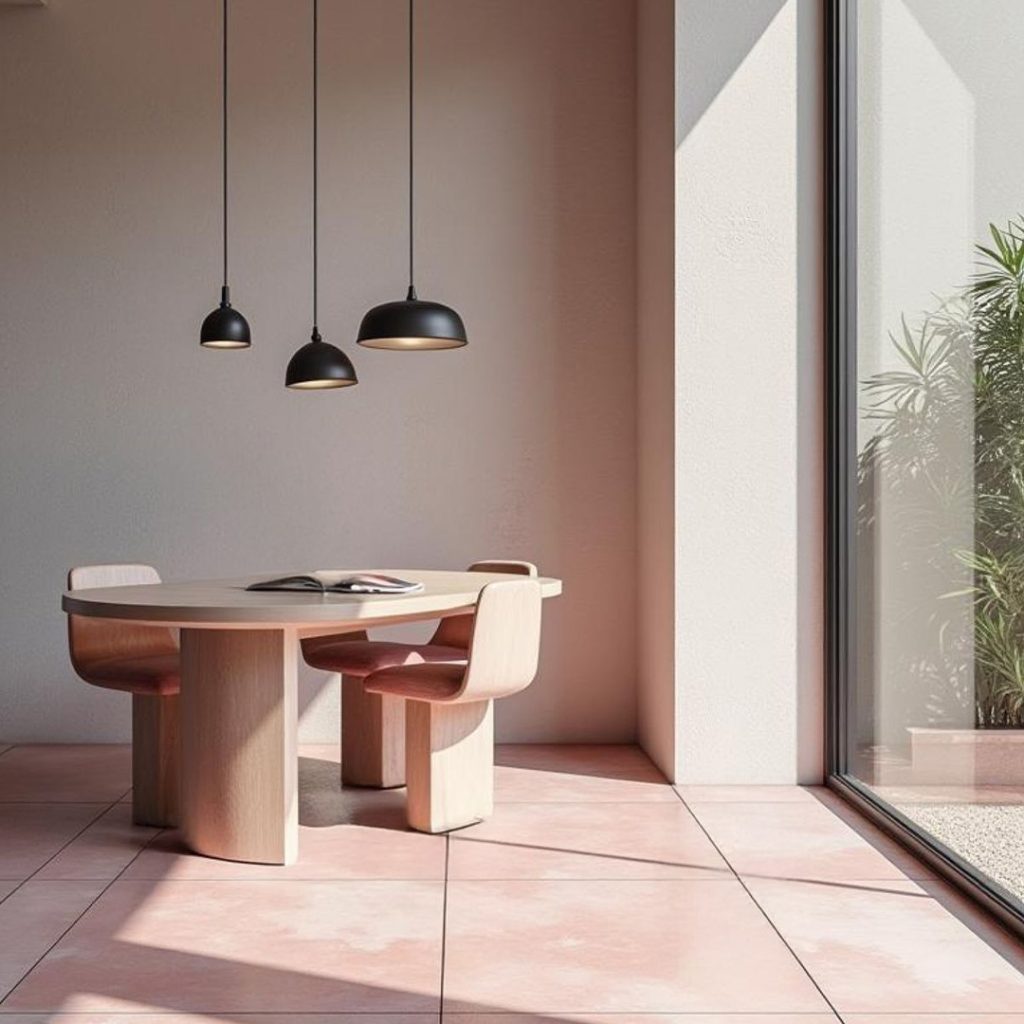
Achieving an aesthetically effective colour is important, but ensuring its consistency over time is equally essential.
A stable production process makes it possible to maintain colour consistency across different production batches, reduce waste and improve quality control.
For ceramic manufacturers, this means being able to rely on predictable and consistent results, even in the most complex, high-definition production processes.
Achieving consistent colour performance often requires close collaboration between the ceramic manufacturer and its technology partner. Testing, application validation and process optimisation make it possible to identify the solutions best suited to specific production requirements.
Colour quality therefore depends not only on material formulation, but also on the ability to control every stage of the production process.
Colour performance and sustainability: an increasingly integrated challenge
Today, the pursuit of aesthetic quality is increasingly accompanied by a focus on the sustainability of production processes. For this reason, in the field of digital ceramic decoration, the development of new materials must take into account not only decorative performance but also their environmental impact.
At Sicer, research is driven by this objective: developing solutions that combine colour performance, application stability and reduced emissions. This commitment has led to the development of low-emission digital inks and water-based and low-emission ceramic digital glues, designed to help reduce emissions during production while maintaining outstanding decorative performance.
Sustainability, however, extends beyond the product itself. Through testing, application support and close collaboration with ceramic manufacturers, Sicer helps companies identify solutions that balance aesthetic quality, production efficiency and environmental objectives.
Turn colour into a competitive advantage for your ceramic surfaces
Drawing on extensive materials expertise, application support and continuous research, Sicer works alongside ceramic manufacturers to develop decorative solutions that enhance colour performance, improve production efficiency and support sustainability.
Contact Sicer team to discover the technologies and solutions best suited to your digital decoration projects.
From applied research to the final result
There are no shortcuts to achieving a ceramic surface with outstanding colour quality. The final result is often the outcome of a process involving material research, application testing, optimisation of production parameters and continuous verification of performance.
For this reason, digital decoration is increasingly approached as an integrated process, where materials, technologies and expertise must work together to achieve the desired result.
The goal is not simply to obtain the correct colour, but to ensure that the same result can be reproduced consistently, efficiently and reliably throughout industrial production.
When colour becomes part of the surface experience
In next-generation ceramics, colour is no longer just a decorative element. It helps define depth, material perception and the identity of the surface.
The ability to control colour performance is now one of the key factors that transforms a graphic design into a true visual and design experience, enhancing the value of the finished product while reflecting the latest trends in international design.
In this process, the contribution of a specialised technology partner such as Sicer can make all the difference. By integrating materials, research, application expertise and technical support, Sicer enables manufacturers to approach digital decoration more strategically, transforming colour into a genuine added value for ceramic products.
FAQ
Colour performance can be optimised through the correct combination of digital inks, glazes, grits and decorative materials, together with appropriate firing parameters and careful control of the production process.
No. The final colour depends on the interaction of several elements, including glazes, substrates, grits, decorative effects and production conditions.
Light interacts with the surface, affecting the perception of colour tones, depth and colour intensity. For this reason, the way a surface interacts with light is an integral part of the decorative design.
Colour consistency makes it possible to maintain uniformity across different production batches, reduce waste and ensure consistent quality in the finished product.
New low-emission and water-based formulations make it possible to develop decorative solutions designed to reduce environmental impact while maintaining high aesthetic and application performance.